Flamenco and guitar museum at Casa Sors
About an hour of dance, guitar and song in a soundproofed studio room with assigned seats, then a guided visit to the guitar museum.
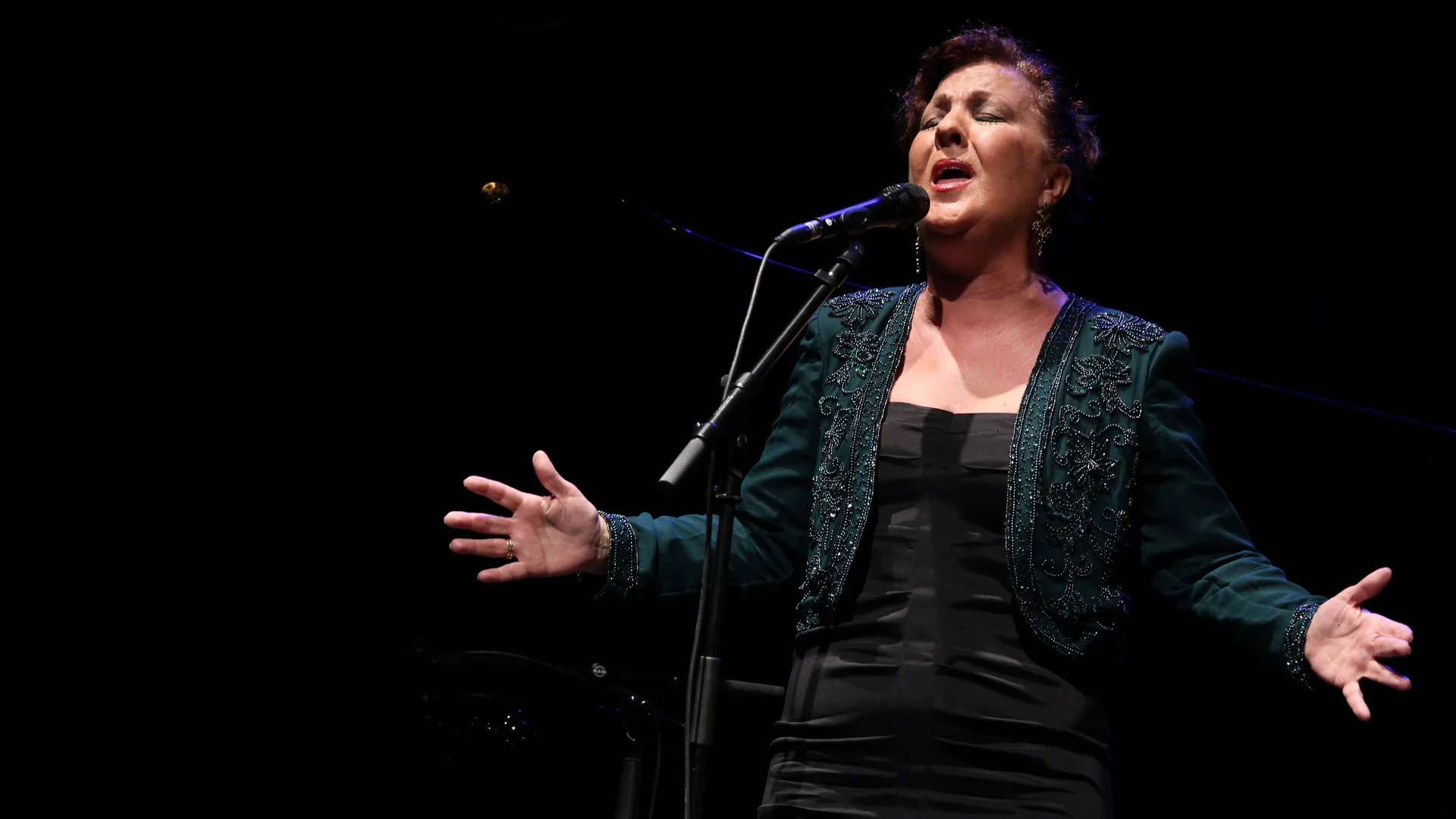
Barcelona · Carrer del Consell de Cent
About an hour of dance, guitar and song in a soundproofed studio room, with a guided visit to the guitar museum.
Likely to sell out: a small studio room where every seat is close to the dancers, guitarists and singers.
The house at a glance
The house behind the room
Casa Sors started in 1972 as a family music house. Its own site says it was founded by Fernando Alonso Mercader, a guitarist and master luthier, and that it has taught music, built and restored string instruments and promoted musical culture ever since. A second generation now runs it. The flamenco room belongs to that same house, which is why a guitar museum comes with the ticket.
The show takes place in a soundproofed recording studio, and the ticket promises every seat close to the stage. That is the opposite of a large hall with a sound system: nothing sits between you and the guitar, and the sound stays in the room. The venue's own pages describe a small room with limited capacity and studio acoustics.
Flamenco grew up in Andalusia, among the Romani families of the south, and UNESCO lists it as intangible heritage. Barcelona's link is people. Wikipedia says Carmen Amaya, often called the greatest flamenco dancer, was born in the city's Somorrostro district, and that the Catalan rumba grew in Romani neighbourhoods shaped by Andalusian migration.
The running order
The ticket joins a show and a museum visit, so the evening runs in three parts.
Seats are assigned, and staff point you to yours. If your option includes tapas or a drink, the venue's site says booked tapas and cocktails are served ahead of the performance, and extra drinks can be ordered from the menu. The venue suggests arriving 15 to 20 minutes early, and your confirmation shows the start time.
Dancers, singers and guitarists perform at close range. The venue says the programme moves through several traditional palos, with room for improvisation between song, guitar and dance, and that the artists vary from night to night.
Once the performance ends, a guide takes you through the Casa Sors Guitar Museum, a collection of historic and flamenco guitars. The venue's pages also mention a few minutes with the artists and photographs. The guide speaks English or Spanish.
Six strings, six palos
Flamenco is organised into palos, forms with their own rhythm, mood and history. The venue says its programme travels through several. These six are a way to follow what you hear and see from a few metres away.
Soleá counts among the basic palos and often has just one guitar beside the voice. Wikipedia says it probably arose among the Calé Romani of Cádiz or Seville, and that it is sometimes called the mother of palos even though siguiriya is older. In a small room, you can hear how little the voice and guitar need.
Siguiriya counts twelve beats with accents on the first, third, fifth, eighth and eleventh. Wikipedia calls it purely Romani in origin and one of the most important styles of cante jondo, deep song. Singers often stretch the tempo for emphasis, so the guitar has to follow the voice.
Tangos are a basic palo in a lively two- or four-beat metre, and the name has nothing to do with Argentine tango. Wikipedia reports that the Andalusian flamenco institute puts their early growth somewhere between Cádiz and Seville. Tientos use the same count at a slower tempo, so you may hear both in one evening.
Guajira is based on a Cuban peasant song form, and Wikipedia gives it as a prime example of the cantes de ida y vuelta, songs that travelled to the Americas and came back changed. It is traditionally danced, and the dancer often works a large Spanish fan.
Farruca is a sober, dramatic palo associated with sharply marked footwork and traditionally with male dancers. Wikipedia notes that Carmen Amaya, born in Barcelona, created a well-known version that widened what the form could express.
Flamenco rumba has a Barcelona cousin. Wikipedia says the Catalan rumba developed in the city's Romani community from the 1950s, with rhythms derived from the Andalusian flamenco rumba plus Cuban influences. It is a light-footed reminder that flamenco kept changing once it reached Catalonia.
The artists choose the programme, and it varies by night. Use it to tune your ears rather than to predict the running order.
The ticket in detail
A few facts worth knowing before you pay.
Street, strings and stage
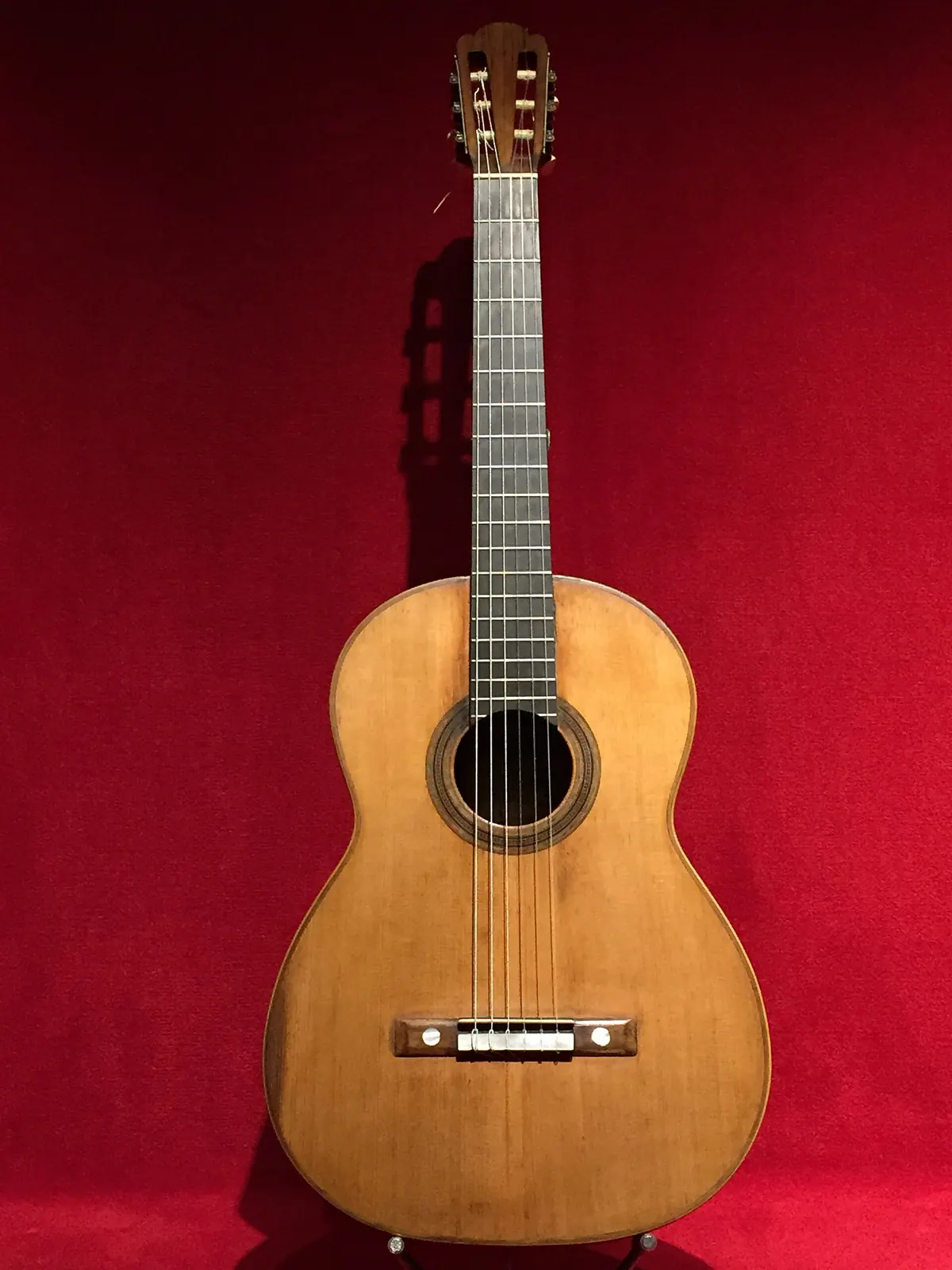
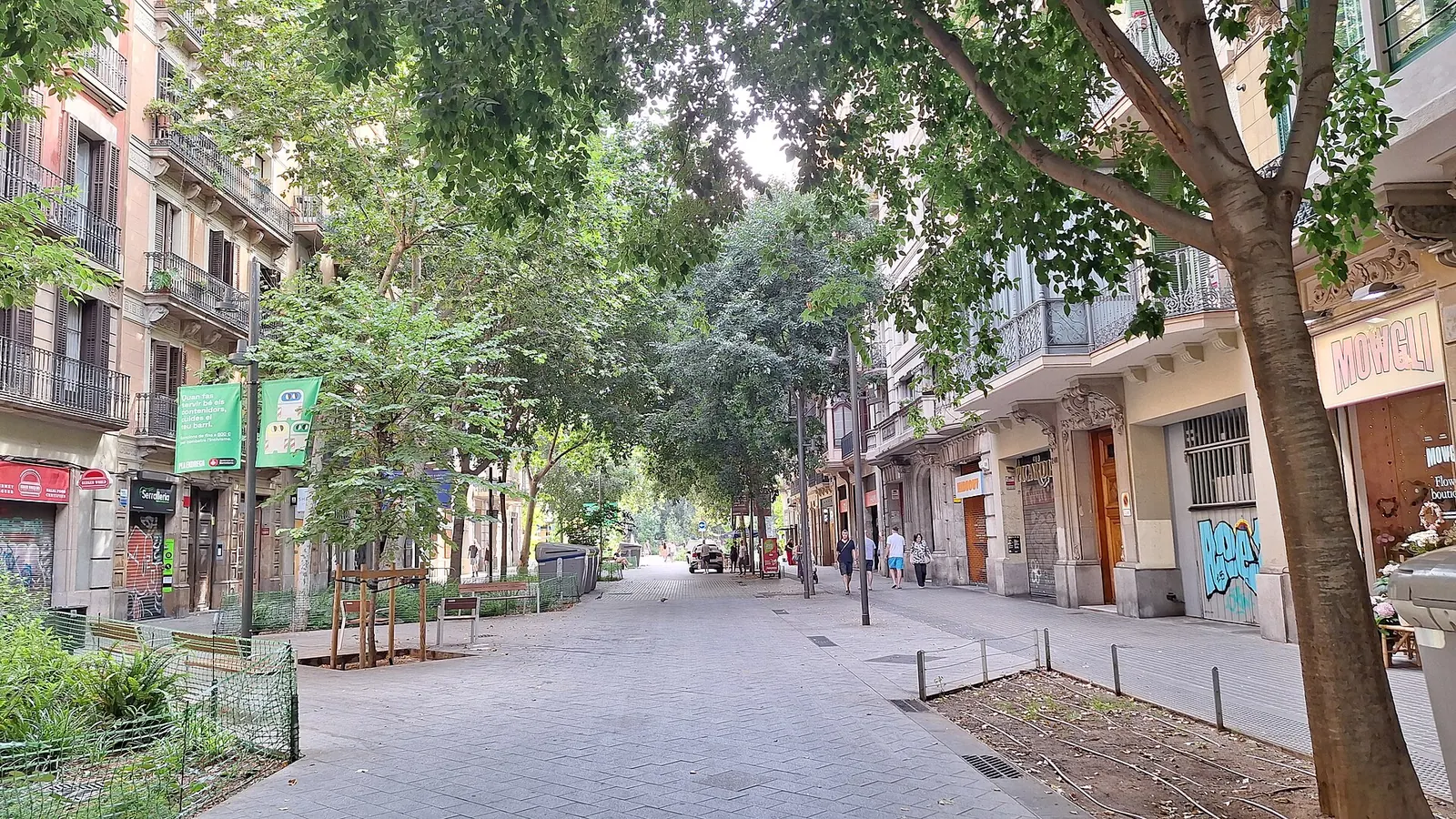
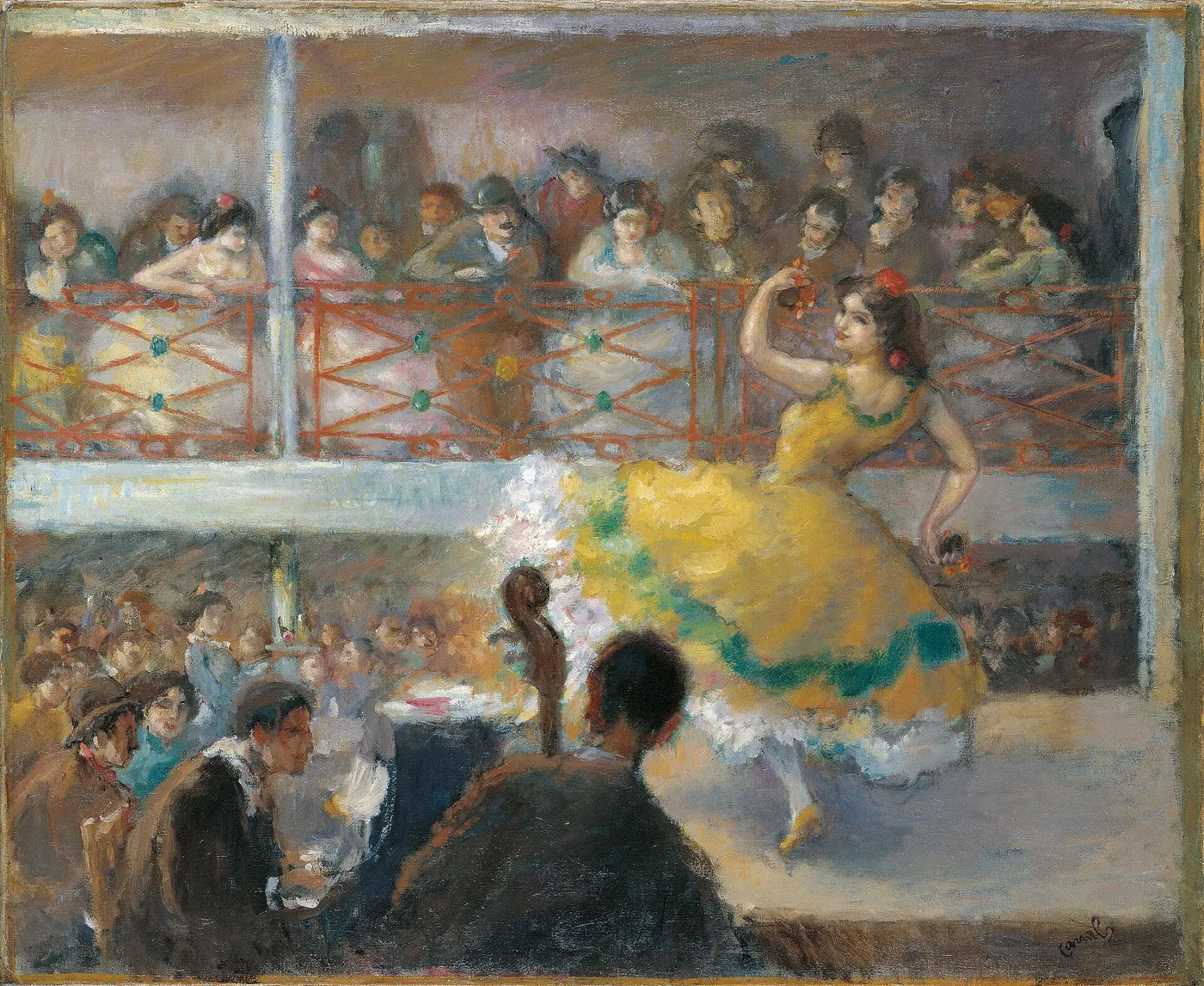
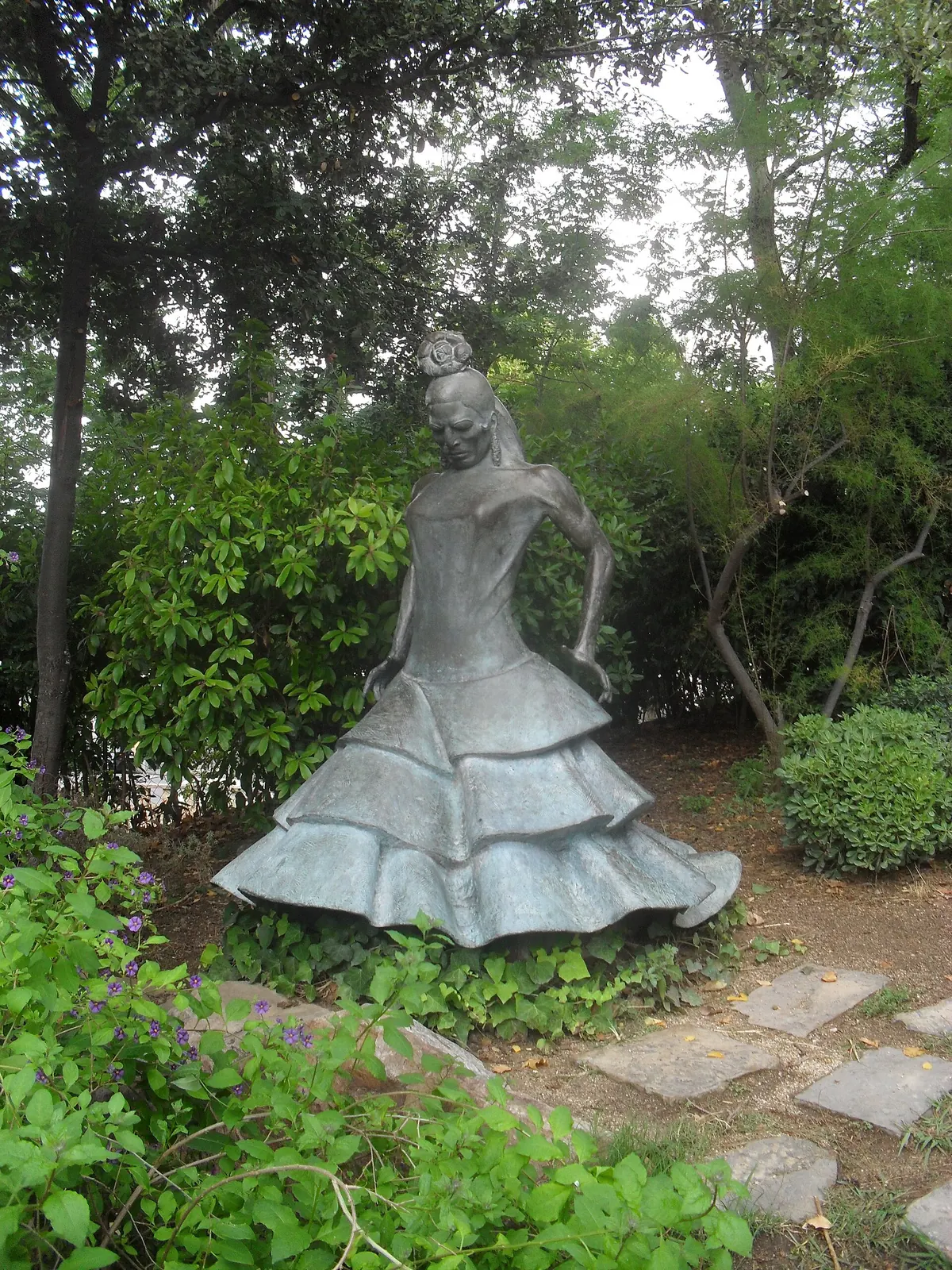
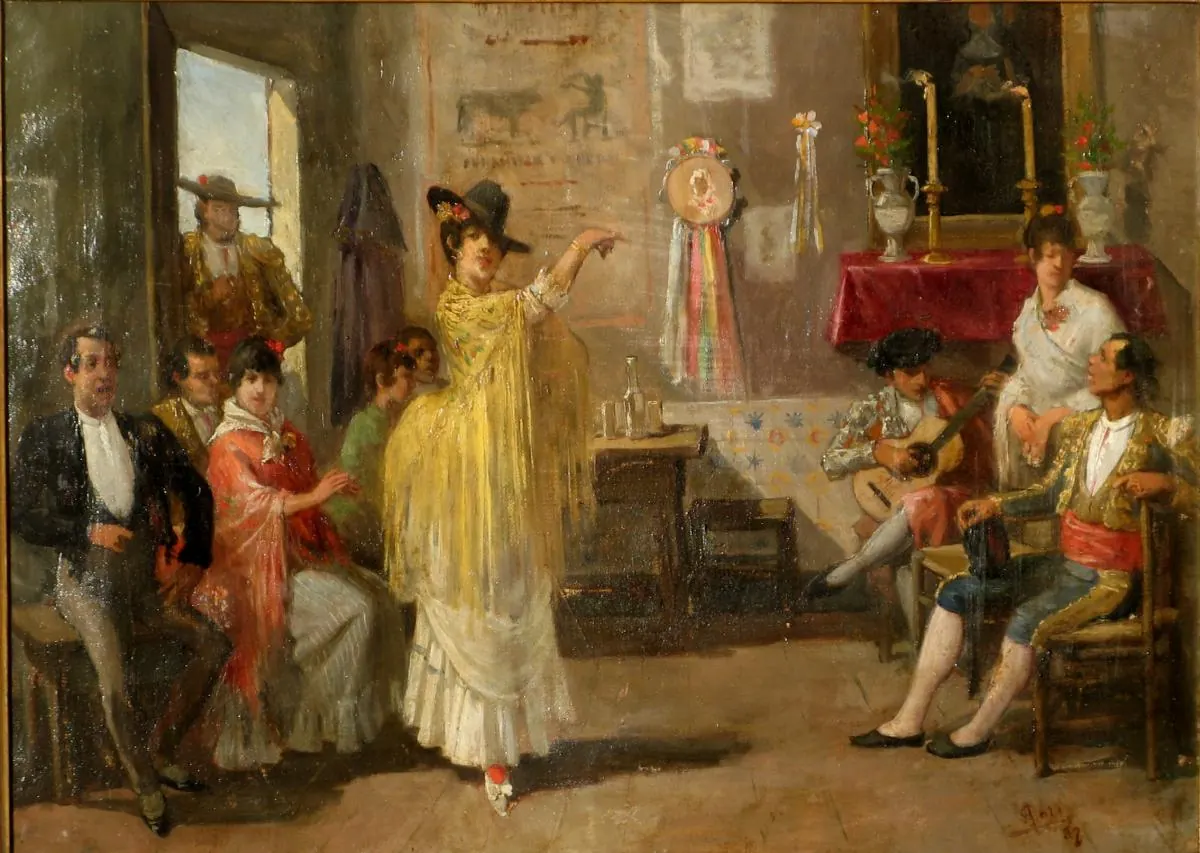
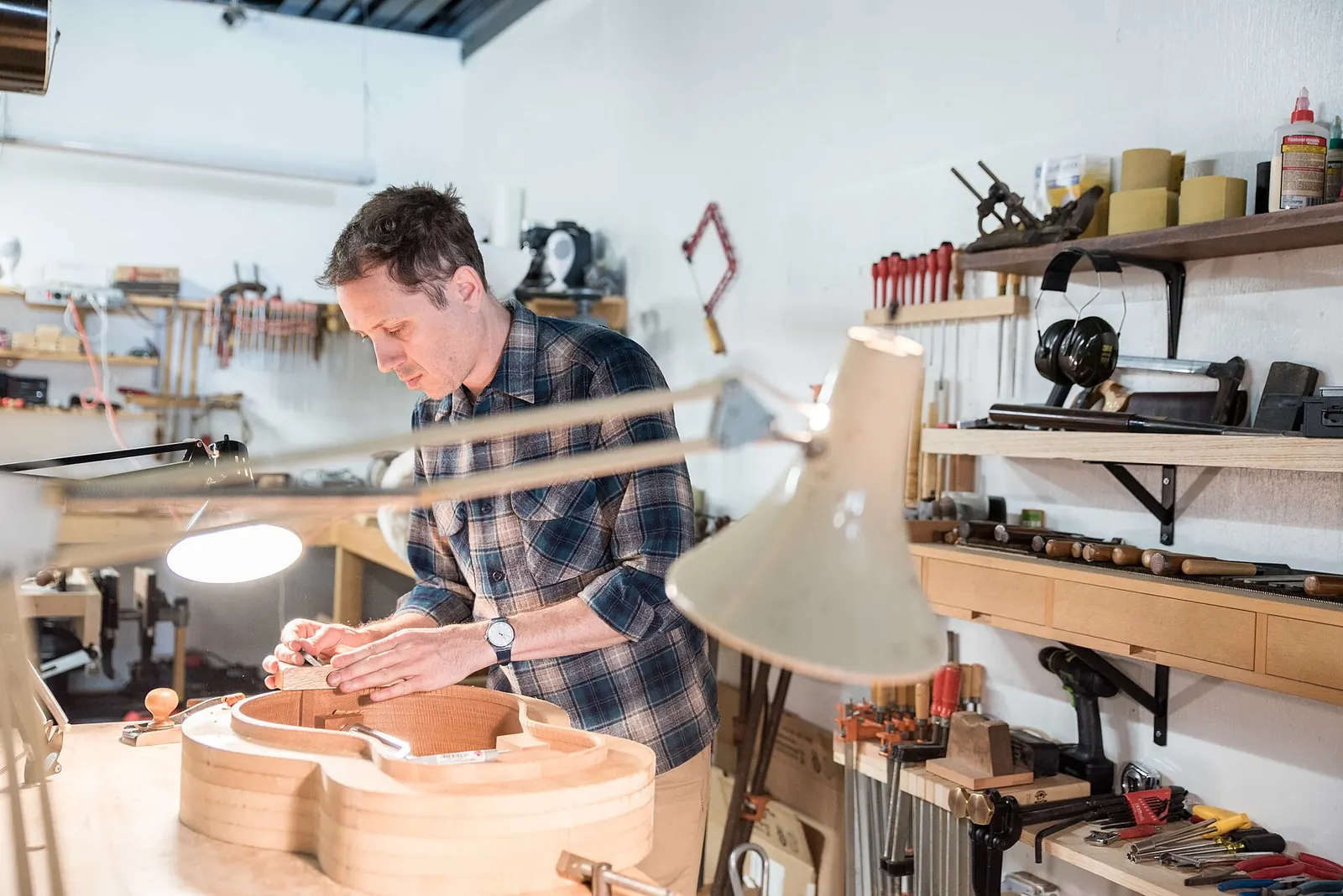
These photographs show Carrer del Consell de Cent, a Torres guitar from a Barcelona museum, two painted flamenco scenes, a luthier at work and a sculpture of a flamenco dancer. None of them shows the inside of Casa Sors.
Picking a flamenco night in Barcelona
| Format | What you get | Best for |
|---|---|---|
| A small studio room (this ticket) | About an hour of dance, guitar and song in a soundproofed room with assigned seats, then a guided guitar museum visit. | Visitors who want to be near the artists and are curious about the instrument |
| A show with an optional dinner | A one-hour show at a different venue, with drinks or dinner if you pick an option that includes them. The second card below shows this format. | A longer evening built around a meal |
| A theatre or concert-hall gala | A staged production, usually with a larger stage and a larger audience. | Anyone who prefers spectacle to a close-up room |
Choose your evening
The first card is the Casa Sors studio show with the guitar museum. The second is a different Barcelona format, with an optional dinner. Pick a date to see open seats.
About an hour of dance, guitar and song in a soundproofed studio room with assigned seats, then a guided visit to the guitar museum.
A one-hour flamenco show at a different Barcelona venue, with drinks or dinner if you pick an option that includes them.
More for your Barcelona trip
Planning your visit
The room is at Carrer del Consell de Cent 215, 08011 Barcelona. The venue describes a quiet spot on a pedestrian street in the centre. Put the address into a map app and leave some spare minutes on a first visit.
The venue suggests getting there 15 to 20 minutes early. Your confirmation carries the start time, which varies by date, so check it before leaving your hotel.
If you picked an option with tapas or cocktails, the venue's site says they are served ahead of the performance. Anything extra can be ordered from the menu.
Seats are assigned for you. In a room this small, guests describe being close wherever they sit.
Dance, guitar and song need no translation. The guided museum visit runs in English or Spanish.
The museum visit follows the performance, so leave the end of the evening open instead of booking dinner straight after.
Guides to Casa Sors, the guitar and flamenco in Barcelona
FAQ
The show runs about an hour. The booking page puts the whole ticket, guided museum visit included, at between an hour and an hour and a half, while the venue's pages allow up to two hours.
Yes. The ticket includes access to the Casa Sors Guitar Museum with a guided visit, led in English or Spanish.
Only with the options that include them. Drinks, signature cocktails and tapas are selections, so read the option name on the booking page before paying.
Seats are assigned. The ticket describes assigned seating with a clear view of the stage, and guests say they are close to the artists wherever they sit.
No. It is a one-hour show and a museum visit. Tapas come with some options, but a full dinner is not part of the ticket, so look at a dinner-and-show format if a meal is the point of your night.
Flamenco itself comes from Andalusia, and UNESCO lists it as intangible heritage. Casa Sors presents it in Barcelona, a city with its own flamenco history, including the dancer Carmen Amaya and the Catalan rumba.
Yes. Cancel at least a day ahead and the whole amount is refunded; payment can also be postponed when you reserve.
It can. Dates carry a likely-to-sell-out flag, and seats are few, so pick a date early.
Fares move with the date and the option. Choose a night to see the fare converted to your currency.